Blog / Safety
Low Voltage Safety: What Contractors and Businesses Need to Know
Published April 2026 · OTR Cable Construction · Veteran-owned business
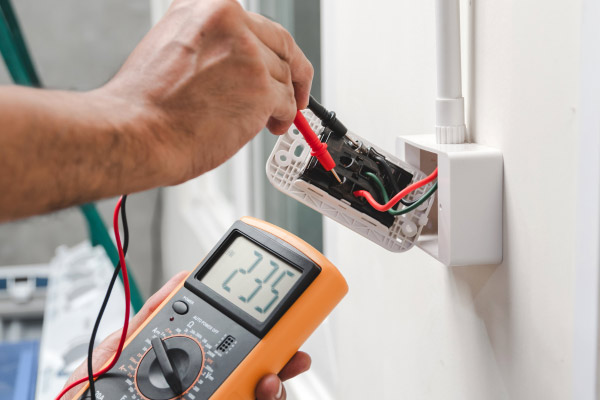
“Low voltage” can sound harmless compared to line voltage work—but poor workmanship still creates fire risk, equipment damage, failed inspections, and network instability. Treating LV systems as “just cables” is how organizations accumulate hidden liability.
What counts as low voltage?
Typical scopes include network cabling, security, access control, AV, and related control circuits. Each has pathway, separation, grounding, and support requirements that belong in the plan set—not improvised on lift day.
Common risks
- Bundle fill and bend radius violations that degrade performance and heat
- Missing firestopping where cables penetrate rated assemblies
- Unlabeled runs that force destructive tracing during incidents
- Power supplies mounted without ventilation or torque discipline
Best practices
Professional teams document test results, follow manufacturer torque and bend specs, respect separation from power wiring, and leave as-builts the facilities team can trust. That is how you pass commissioning and sleep better during audits.
Why it matters to the business
Failed inspections delay occupancy. Insurance carriers ask for evidence of competent installation after losses. A disciplined cable plant lowers MTTR when an outage happens. See how we deliver end-to-end on our services page.
Final thoughts
Safety and quality are inseparable in low voltage. Build once to code and industry practice, test what you claim, and label what you install.
Want installations done to standard?
We follow applicable codes and manufacturer requirements and deliver documentation you can hand to IT or the AHJ.
Discuss your project