Blog / Data centers
Data Center Basics: What Every Business Should Know
Published April 2026 · OTR Cable Construction · Veteran-owned business
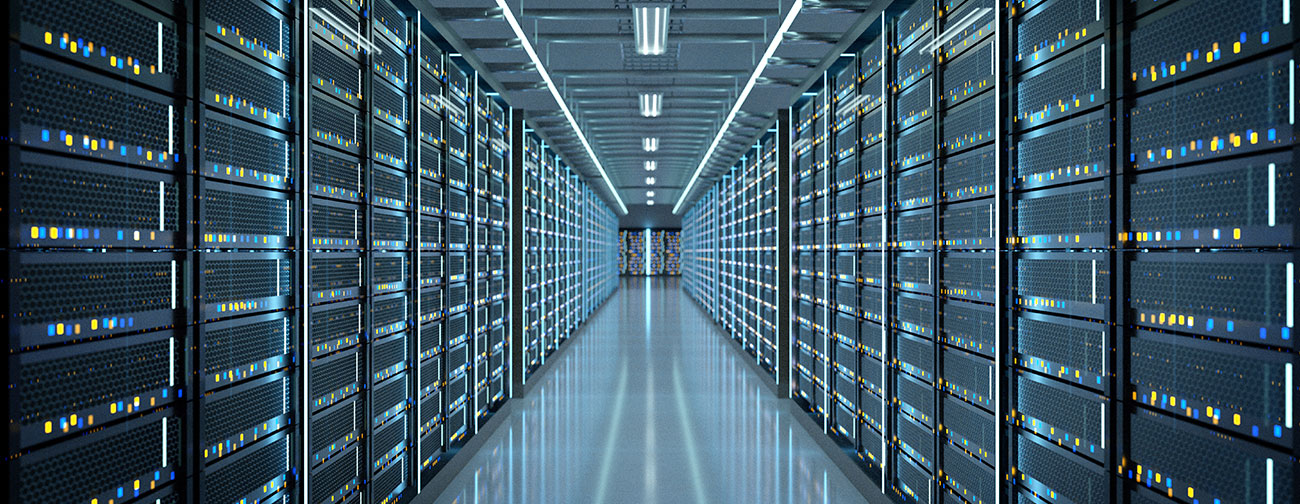
As businesses depend more on cloud apps, VoIP, video, and local services, even modest server rooms behave like micro data centers. The goal is the same: protect compute and storage with predictable power, thermal performance, and cable discipline.
What counts as a data center?
A data center is a purpose-built space for IT gear: racks, switches, storage, firewalls, and supporting mechanical/electrical systems. Many SMBs operate a single IDF/server closet; larger sites add redundant paths and dedicated cooling. Our data center services cover rack layout, cable management, grounding/bonding awareness, and coordination with your IT team.
Key components
- Rack systems for load, airflow, and cable entry
- Cable management to preserve bend radius and serviceability
- Cooling matched to heat load—not office comfort cooling alone
- Power including UPS, branch circuits, and where needed, generator coordination
Underlying all of it is structured cabling for copper/fiber uplinks and patching discipline.
Why design matters
Poor layouts create hot spots, spaghetti patching, and long mean-time-to-repair. Good design improves airflow fronts/backs, documents port maps, and leaves growth space without blocking exhaust.
Environmental monitoring
Sensors for temperature, humidity, water, and door contact buy early warning before hardware throttles or fails. Alerts should route to people who can act—not only to an inbox nobody reads.
Final thoughts
You do not need a hyperscale facility to benefit from professional server room practice. If IT uptime matters to revenue, invest in the physical layer and MEP coordination up front. See all capabilities on our services page.
Server room design or rack installation?
We help with layout, cable plant into the room, labeling, and integration with your wider network.
Talk to our team